
Short-form video is no longer just an optional extra. It’s fast becoming a primary way people consume news. That’s pushed many legacy newsrooms to rethink their video strategies and inspired a wave of independent, personality-led news creators.
According to the 2025 Digital News Report by the Reuters Institute for the Study of Journalism, more people now prefer to “watch the news rather than read it,” accelerating the shift toward creator-first video formats.
So, if you’ve written a text piece and you’re wondering how to adapt it for Instagram or TikTok, here’s a simple, beginner-friendly guide to get you started.
(1) Find your angle
An 800-word article often contains more detail than you can possibly squeeze into a 60-second video. That’s why identifying a clear angle is so important. Start by thinking about who your audience is and what might interest them most about the topic.
For example, for a story on India’s budget announcement, instead of trying to cram everything into one reel, we split it up into three:
- “Three things to pay attention to in this year’s budget”
- “What’s become more expensive and what’s become cheaper”
- “What does this budget announcement mean for the Indian economy”
Each video had a different focus, which made it easier to keep the script short and simple. Picking one angle doesn’t mean you’re dumbing the story down, it means you’re being thoughtful about what will land best on social media for your target audience.
(2) Script it like you’re telling a friend
Start with this question: What are the top three things you want your audience to remember?
Once you’re clear about that, write a rough script and cut out anything that’s not a part of your “top three” list. Then, speak it out loud – don’t just write it. The way we speak and the way we write are often very different, and social video is all about sounding natural. Avoid words you wouldn’t say in a casual conversation.
You’re not delivering a formal news bulletin. You’re explaining something to a friend. I often tell journalists: Be a bridge between the story and the audience, not a barrier. The more news jargon you use, the more distance you create. Talk to your audience, not at them.
Keep your first five seconds strong – that’s your hook. In this world of low attention spans, that’s the moment you earn your viewer’s attention.
Want good examples? Check this out and this and this.
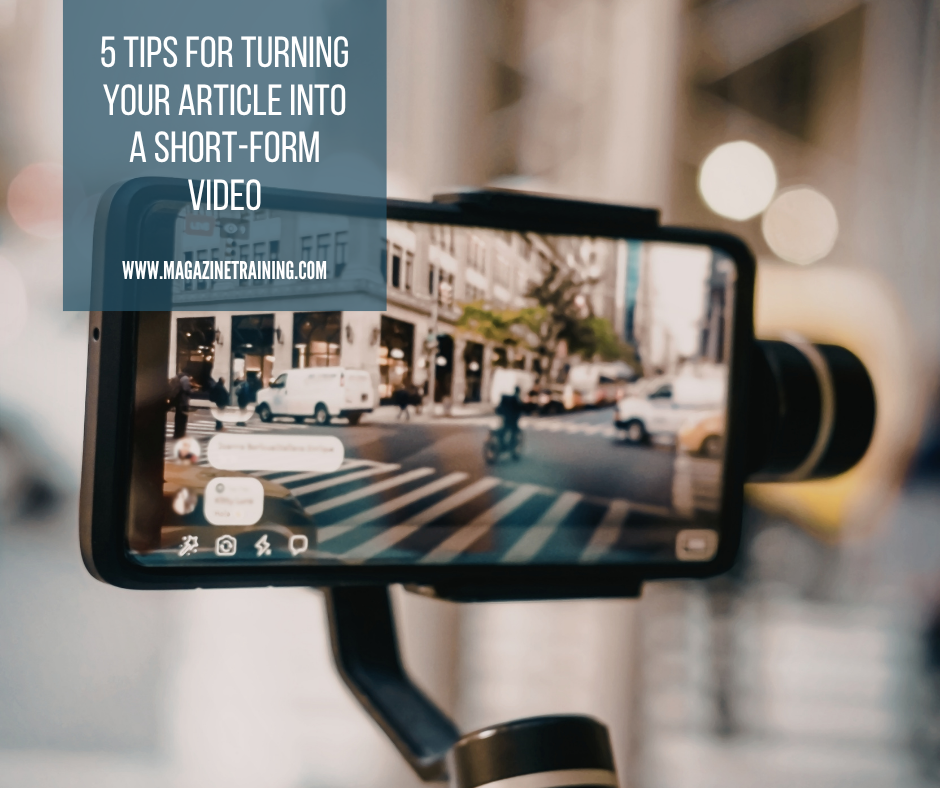
(3) Film with what you have (yes, your phone)
The days of needing high-end cameras for every video are over. Scrappy works. But scrappy doesn’t mean messy – you still want your video to be clear and distraction-free. Here are a few basics:
- Lighting: Always face a light source (like a window). Don’t backlight yourself. You don’t even need artificial lighting. Natural light does wonders.
by
Related posts
Magazine Training International’s mission is to encourage, strengthen, and provide training and resources to Christian magazine publishers as they seek to build the church and reach their societies for Christ.