One morning in late 1991, we had an unexpected visit by the department chief. The whole office room quietened. The chief walked over to a senior member of the staff who pretended not to notice him. The chief cleared his throat and the staff member rocked to attention.
“Good morning sir!”
“I want the page to Roto India,” the chief ordered, requesting computer access to the medium-sized printing cylinder manufacturing company.
The colleague accessed his computer. In the meantime, the senior staff member produced the file from his filing cabinet like a flash of lightening. The colleague continued accessing his computer.
“Sorry sir, no time to waste,” the senior told the chief handing him the file. This incident caused a stir in the office, but no one was harmed.
The use of information technology has indeed ushered in a new business era, creating faster and more efficient systems. However, it does not discard the old. It may replace the old, but it does not nullify the old way of doing business.
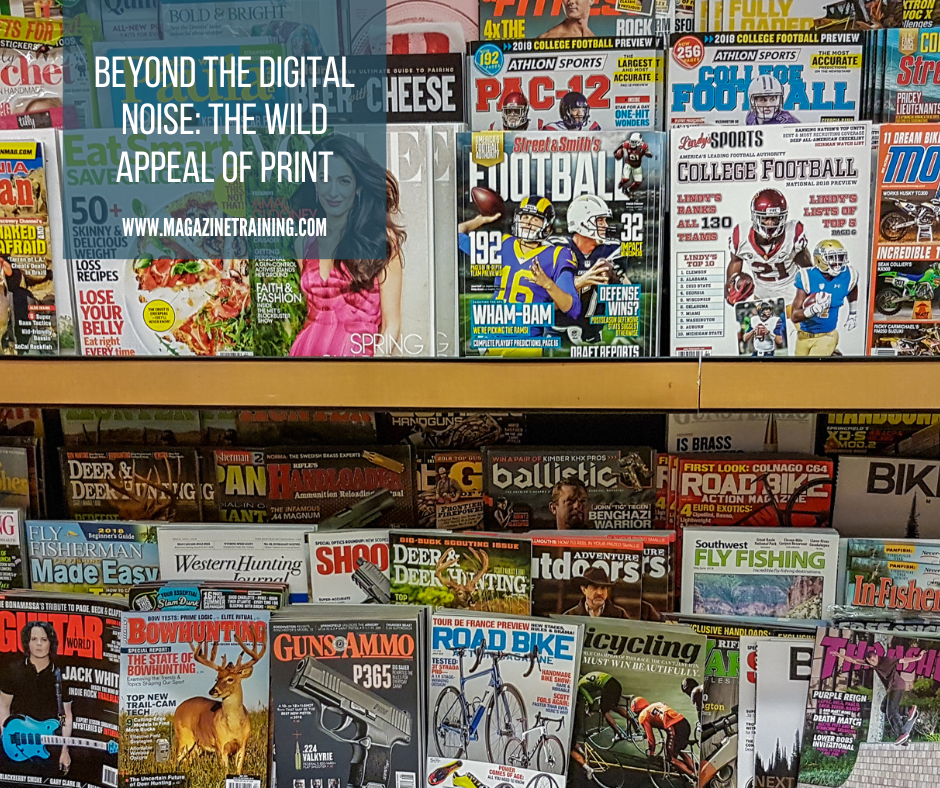
I get all the news I want online, but I continue seeing printed newspapers and magazines in railway stations and bus stands. They are still blooming. Some Christian bookshop showrooms in Mumbai, India continue to exhibit Christian magazines and newsletters–visible to thousands of visitors everyday. It’s a much more effective phenomenon than the digital screen and can be a lot less expensive.
Related posts
Magazine Training International’s mission is to encourage, strengthen, and provide training and resources to Christian magazine publishers as they seek to build the church and reach their societies for Christ.